
Small Bites, Big Wins: A Nutrition Guide for Seniors
March is Nutrition Month in Canada, and it’s a good reminder that eating well can look different as we get older. Changes in appetite, energy, and routine can make meals feel harder, but small adjustments can make a big difference, especially for seniors and the people who care about them.
Why is nutrition harder as we age?
As we get older, eating can feel harder for reasons that aren’t always obvious. If this sounds familiar for you or someone you care about, you’re not alone.
Medications: Some prescriptions can affect appetite or digestion, causing nausea, dry mouth, taste changes, or constipation. If side effects are getting in the way of eating, a pharmacist or healthcare provider may be able to help.
Chewing or swallowing changes: Dentures, dental pain, dry mouth, or certain health conditions can make chewing and swallowing uncomfortable. Softer, nutrient-dense foods like yogurt, eggs, tofu, fish, oatmeal, soups, and smoothies can help. If there is coughing or choking during meals, it’s important to speak with a healthcare provider.
Mental and emotional changes: Stress, grief, loneliness, low mood, or fatigue can make cooking and eating feel like a big task. Small steps help, like keeping easy foods on hand, eating with someone when possible, and sticking to simple routines.
Red flags that your nutrition may be slipping
Keep an eye out for signs that you may not be getting enough nourishment:
- Unplanned weight loss or looser clothing
- Low energy or dizziness
- Constipation or signs of dehydration
- Food going bad at home because it isn’t being eaten
- Trouble chewing or coughing during meals.
How can nutrition be improved?
A few simple strategies can add up:
- Eat smaller meals more often, such as 3 mini-meals and 2 snacks
- Choose foods higher in calories and protein when appetite is low
- Aim to include protein at most mealtimes
- Boost what you’re already eating with nutrient-dense add-ons like nut butter on toast, butter or olive oil on potatoes, and avocado in sandwiches.
Low-effort, nutritious meal ideas
- Store-bought rotisserie chicken with a garden salad
- Microwavable rice with butter or olive oil and frozen veggies
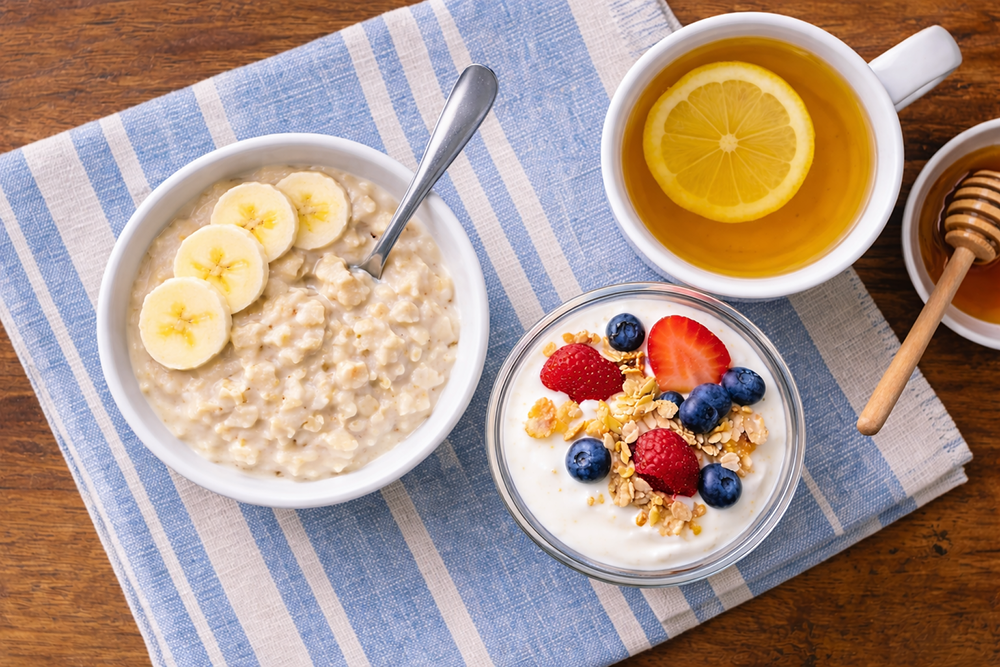
- Greek yogurt bowl with granola, berries, and honey
- Soft pita with hummus and avocado
- Oatmeal made with milk, topped with banana and nut butter
- Crockpot soup or chili
- A smoothie with milk, yogurt, and frozen fruit.
Care at Home Services focuses on practical ways to help seniors stay nourished with foods that are easy, comforting, and nutrient dense. If you would like to learn more about how Care at Home approaches nutrition with seniors, please contact us.

