
Preventing Hospital Visits for Veterans Through Ongoing Support
For older veterans, health concerns that go unnoticed or unmanaged can sometimes lead to avoidable hospital visits. Ongoing support at home can help identify problems early, reduce everyday risks, and prevent some concerns from becoming emergencies.
How Everyday Health Concerns Can Lead to Hospitalization
Consider a veteran who has begun having difficulty preparing meals. At first, they may simply eat less or rely on whatever food is convenient. Over time, inadequate nutrition can contribute to weakness, fatigue, and an increased risk of falls. If an existing health condition is also present, the consequences may be more serious.
Medication management presents another concern. Veterans living with multiple chronic conditions may have complicated medication schedules and missed doses or medication errors can sometimes result in complications requiring urgent medical attention.
These situations illustrate why regular observation matters. A family member visiting occasionally may not recognize a gradual decline, whereas someone familiar with a veteran’s daily routine may notice changes in appetite, mobility, alertness, or behaviour. When these concerns are communicated promptly to the appropriate healthcare professional, there may be an opportunity to intervene before the situation becomes an emergency. This does not mean caregivers are responsible for diagnosing medical conditions. Their role is to recognize changes, communicate concerns, and help veterans access appropriate care when needed.
Preventing Falls and Other Avoidable Injuries
Falls are a leading cause of injury-related hospitalizations among older adults in Canada. For veterans with reduced mobility, chronic pain, or balance difficulties, preventing falls may be particularly important.
Home safety assessments can identify hazards such as poor lighting, loose rugs, cluttered walkways, and bathrooms without appropriate support equipment. However, environmental changes are only one part of fall prevention.
A veteran’s physical abilities may also change over time. Someone who previously managed stairs without difficulty may begin relying heavily on railings or avoiding certain areas of the home altogether. These changes can indicate that additional support or a professional mobility assessment is needed.
Caregivers and family members can help by paying attention to these warning signs and encouraging appropriate precautions. When necessary, healthcare professionals can recommend mobility aids, exercises, or modifications suited to the individual’s needs. The goal is to reduce injury risks while preserving as much safe, independent movement as possible.
Why the Transition Home Matters
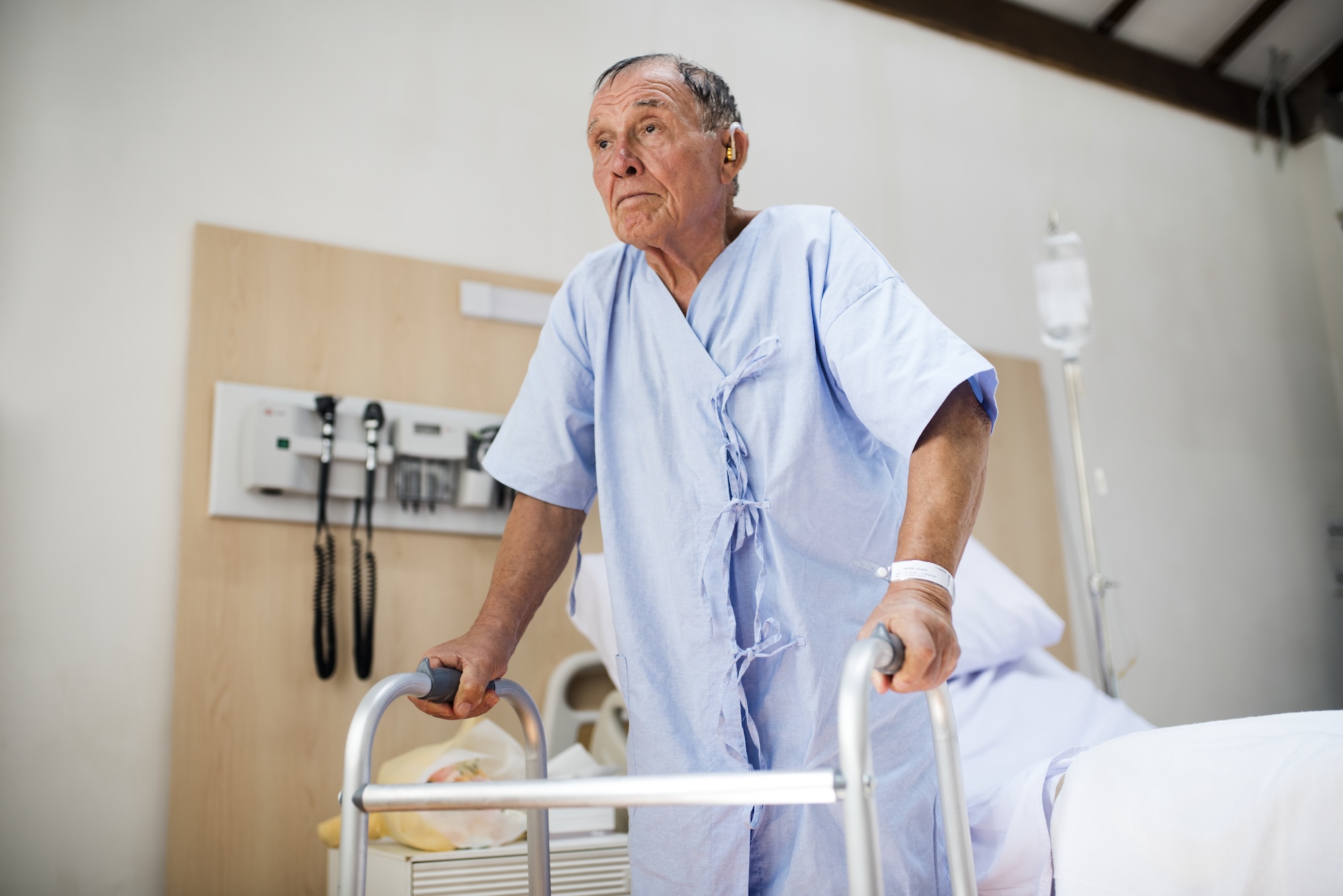
Hospital discharge is another period when veterans may be particularly vulnerable to health complications. Following surgery, an illness, or an injury, a veteran may return home with reduced strength, new medications, or instructions that require changes to their usual routine. Even someone who was previously independent may need temporary assistance.
Problems can arise when recovery instructions are misunderstood, follow-up appointments are missed, or changes in health go unrecognized. For example, a veteran recovering from an infection may initially appear to be improving but later develop worsening fatigue, confusion, or other symptoms requiring medical reassessment. Without regular contact, these changes may not be noticed promptly.
A well-planned transition home should include a clear understanding of discharge instructions, necessary follow-up care, and who to contact if concerns arise. Appropriate assistance with daily activities can also reduce physical strain during recovery. These measures cannot guarantee that a veteran will avoid readmission, but they can help identify complications sooner and support a safer recovery.
Building Prevention Into Everyday Life
Preventing avoidable hospital visits is rarely the result of one intervention. It often depends on how well a veteran’s health needs, home environment, and daily routines are managed over time. Regular support allows changes to be recognized as they happen rather than waiting for a crisis. It also creates opportunities to review whether existing arrangements remain appropriate.
A veteran who initially needs occasional assistance may require additional help following an illness or a change in mobility. Alternatively, someone recovering from surgery may gradually regain independence and need less support. Care plans should reflect these changes rather than remaining fixed. Family members, caregivers, and healthcare professionals each have a role in this process. Clear communication helps ensure that concerns are addressed by the appropriate person and that veterans receive assistance suited to their circumstances.
For veterans who wish to remain at home, this approach can help reduce avoidable risks without unnecessarily disrupting their independence.
Helping Veterans Remain Safe at Home
Remaining at home is about more than having a familiar place to live. For many veterans, it means maintaining control over their daily routines, staying connected to their communities, and continuing to make decisions about their own care.
As health needs change, maintaining that independence may require adjustments. Having conversations about changing abilities, reviewing safety concerns, and establishing a plan for additional assistance can help veterans and their families prepare for challenges before they arise. Involving veterans in these decisions is equally important, ensuring that their preferences and comfort remain central to their care.
At Care At Home Services, we recognize that maintaining independence and receiving support should go hand in hand. Our team works with veterans and their families to provide dependable care that adapts to their individual circumstances. Contact us to learn how ongoing home support can help a veteran in your life continue living safely and comfortably at home.

