
Preventing Falls At Home: Simple Changes That Save Lives
Falls are one of the most common safety concerns for seniors living at home. A single fall can lead to serious injuries, loss of confidence, and reduced independence.
Fortunately, many falls can be prevented through simple home modifications and the right support. By identifying risks early, families can help aging loved ones stay safer and more independent at home.
Why Fall Prevention Matters
As people age, changes in balance, vision, strength, and mobility can increase the risk of falling. Certain medications, chronic conditions, and cluttered living spaces can also make everyday activities more difficult.
For many seniors, the fear of falling can be just as limiting as the fall itself. It may cause them to avoid walking, bathing, cooking, or leaving the house. Over time, this can affect independence, physical health, and emotional well-being.
Common Fall Risks at Home
Many fall risks are easy to overlook because they are part of everyday life. However, small hazards can become more dangerous as mobility changes, such as:
- Loose rugs or mats
- Poor lighting
- Cluttered walkways
- Uneven flooring
- Electrical cords
- Slippery bathroom floors
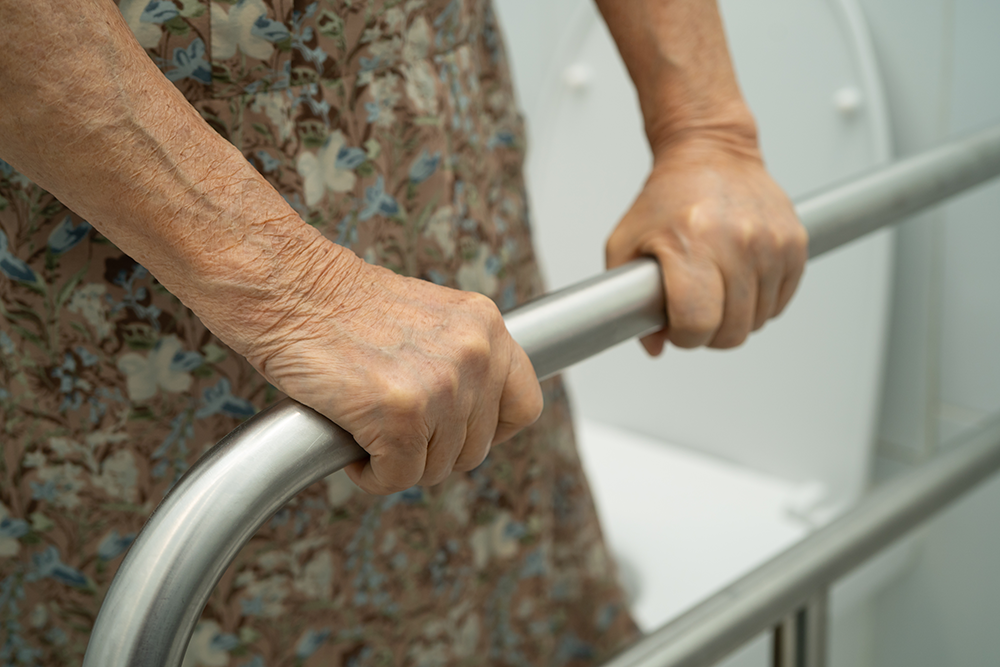
- Lack of handrails or grab bars
- Shoes or slippers without proper support
- Items stored too high or too low
Taking time to walk through the home and look for these risks can make a meaningful difference.
Simple Changes That Can Help Prevent Falls
Small home adjustments can have a big impact on safety. Families can start by focusing on the areas where seniors move most often, such as bedrooms, bathrooms, kitchens, and hallways.
Helpful changes may include:
- Removing loose rugs or securing them with non-slip backing
- Keeping walkways clear of clutter
- Adding nightlights in bedrooms, bathrooms, and hallways
- Installing grab bars near toilets and in showers
- Using non-slip mats in the bathroom
- Keeping frequently used items within easy reach
- Making sure stairs have secure handrails
- Encouraging supportive, well-fitting footwear
- Cleaning up spills right away
These changes may seem simple, but they can help reduce risk and make daily routines feel safer.
The Bathroom Deserves Extra Attention
Bathrooms are one of the most common places for falls to happen. Wet floors, hard surfaces, and the need to step in and out of tubs or showers can all increase risk.
To improve bathroom safety, families may consider adding grab bars, non-slip mats, shower chairs, and handheld showerheads. In addition, making sure the bathroom is well-lit can help seniors move more confidently, especially at night.
For seniors with mobility challenges, larger modifications such as a walk-in tub or barrier-free shower may also improve safety and accessibility. While these upgrades require a greater investment, they can help reduce the risk of slips and falls while making bathing more comfortable and manageable.
Support during bathing or personal care can also help seniors feel safer while maintaining dignity and independence.
How Home Care Can Support Fall Prevention
Professional caregivers play an important role in helping seniors stay safe at home. In addition to assisting with daily routines, caregivers can help notice changes in mobility, balance, or confidence that may increase fall risk. Ways caregivers can support fall prevention include:
- Assistance with walking and mobility
- Help with bathing and dressing
- Light housekeeping to keep pathways clear
- Support navigating stairs and other high-risk areas
- Monitoring for changes in balance or mobility
- Supervision during higher-risk daily activities
With the right support, seniors can continue their routines while reducing the risk of injury.
A Safer Home Starts With Small Steps
Preventing falls at home does not always require major renovations. Often, the most effective changes are simple, practical, and easy to begin right away.
When seniors feel safer moving through their homes, they are often more likely to stay active, maintain their routines, and enjoy greater independence. Families also gain peace of mind knowing practical supports are in place to help reduce the risk of injury.
If you are concerned about a loved one’s safety at home, our team would be happy to talk to you about how we can help!

